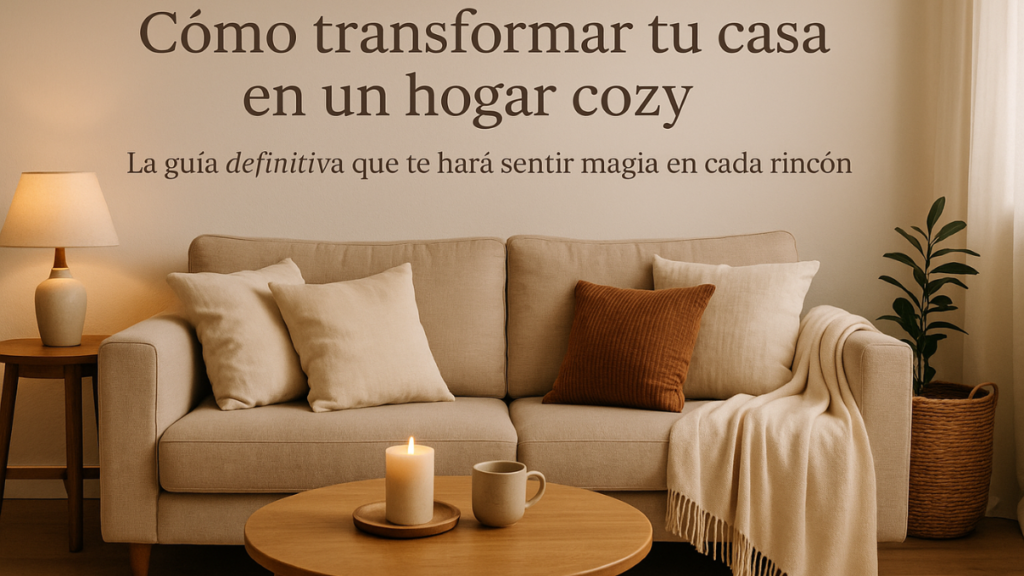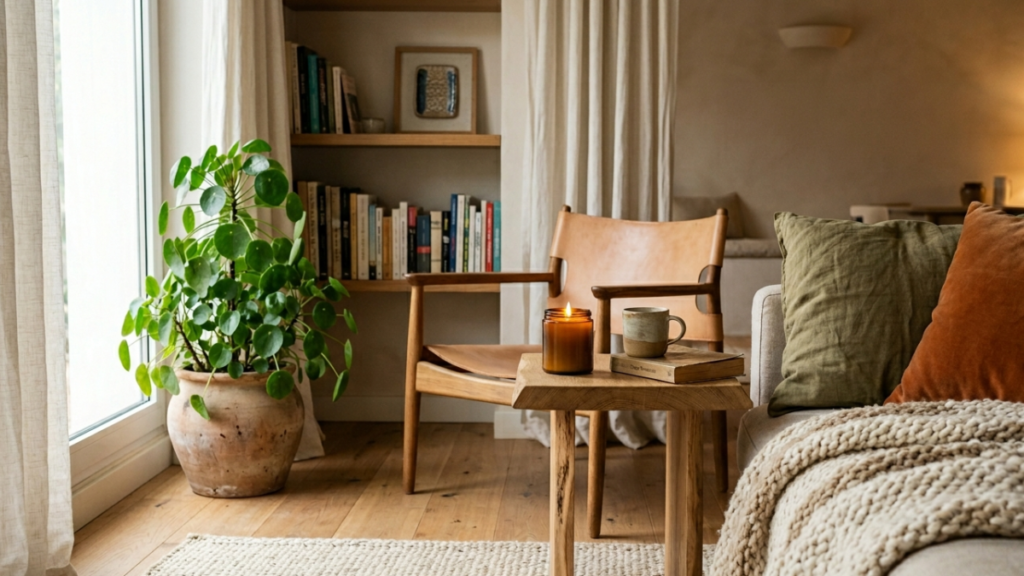
Turn your home into a refuge of calm with these sensory decorating tips. Discover how to balance your spaces to improve your emotional well-being and connect deeply with your surroundings. Start building your personal sanctuary today!
When we talk about turning our home into a refuge of calm, we often get lost in whatever catalog is at hand, looking for furniture that photographs well but says absolutely nothing about the people living there.
What I’m proposing today is radically different, because this isn’t about decorating to be looked at, it’s about designing to be felt. Your home is the main stage of your life and, as such, it has to be a space that holds your energy, welcomes you at the end of a long day, and above all takes care of your nervous system.
We often don’t realize that every texture, every tone of light, and every small detail in our home is sending signals to our brain, whether of calm or of alarm. If you feel like you can’t fully switch off when you get home, your environment is very likely loaded with stimuli that aren’t doing you any good. Let’s walk through this process together and create a conscious home where every corner has a purpose and every object brings emotional value.
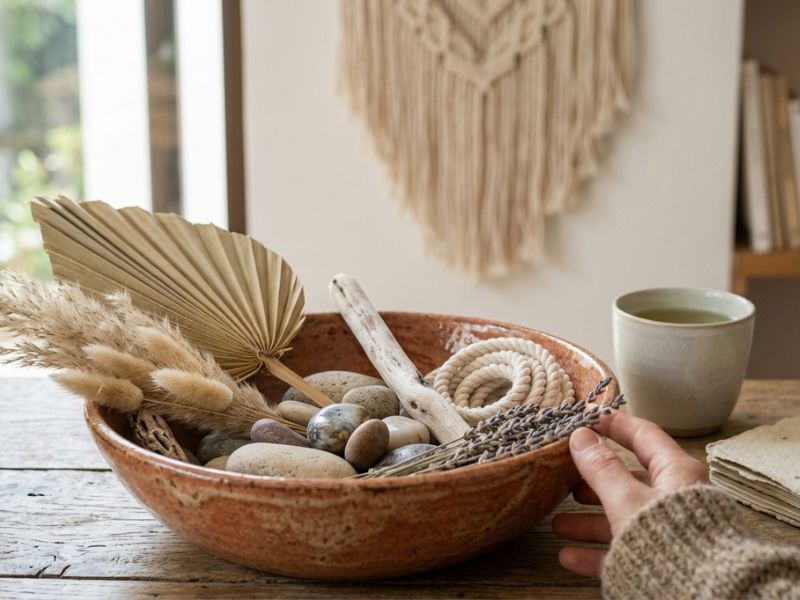
The images in this post were created with AI assistance for illustrative purposes
This post contains affiliate links
What sensory decorating really is
Sensory decorating is an exercise in self-knowledge applied to space. It isn’t about following trends, it’s about observing how your body reacts when you’re in each room of your home.
We sometimes convince ourselves that a home has to follow a Scandinavian, minimalist, or industrial style, but if that style doesn’t translate into well-being, it’s simply a facade. You need this approach because we live in an outside world that demands constant overstimulation, with screens, urban noise, and obligations that exhaust the mind.
Your home should be the antidote to that noise. Designing by sensory criteria means applying principles of neuroarchitecture without realizing it. We choose materials that embrace us, lighting that invites calm, and a layout that makes natural movement easy. It isn’t a matter of budget, it’s a matter of intention.
It means asking yourself, every time you buy something or decide to move a piece of furniture, whether that element helps you feel better or simply fills a gap. Once you start decorating this way, your home stops being a place where you store your things and becomes a fundamental ally in your daily well-being. Sensory decorating is a way of loving yourself through the space you live in.
Quick summary
| Sense | Key element | Main goal |
| Touch | Natural textures and contrast | Bring security and tactile comfort. |
| Light | Layers of warm lighting | Create depth and support your body clock. |
| Smell | Natural, subtle scents | Connect with emotional memory and calm. |
| Sound | Absorbent textiles and order | Eliminate echo and shield the space from noise. |
| Sight | Organic shapes and coherent color | Reduce cognitive load and bring harmony. |
| Space | Free flow and conscious order | Ease movement and mental peace. |
| Nature | Living elements and natural materials | Connect with our biological essence. |
Touch: why what we run our hands over at home matters
We tend to be extremely visual creatures, but touch is our most intimate and profound sense. Our skin is the organ connecting us to the outside world, and it’s what gives us the final signal about whether we’re somewhere safe.
In many modern homes, furniture has cold, smooth, synthetic surfaces, which makes the atmosphere feel distant and unwelcoming. To create a rich sensory experience, we need a variety of textures that invite contact.
Think about what happens when you run your hand across a solid wood table with its grain intact, versus a laminate surface that feels like plastic. The difference is enormous, not only in how it looks but in how that connection with something natural makes us feel. You want tactile contrast.
If your sofa is upholstered in a stiffer fabric, add wool throws and linen pillows or velvet ones. That mix of rough and soft makes your eyes and your hands want to explore the room.
The floor is essential too. If you spend time barefoot, look for rugs that give you that constant massage, like natural fibers such as jute or thick wool. Don’t stop at the obvious. Include pieces with history, like handmade ceramics with their small irregularities. All of this helps your nervous system settle into the present, because when we touch things with rich textures, our mind steps out of its whirlwind of thoughts and lands in the now.
The power of light
Lighting is the invisible soul of any interior, and most homes fail precisely here by overusing a single general light source. Harsh white light overhead isn’t just unattractive, it keeps our brain in a state of artificial alertness that blocks rest.
The layered lighting strategy
To transform the atmosphere of your home, we have to think in layers. That means not looking for one powerful ceiling fixture, but distributing several points of light at different heights. You can use a floor lamp beside the sofa, a wall sconce with soft light, or a small table lamp on a shelf. Turning on several small sources instead of one big one gives the space depth and makes it far more intimate.
Color temperature as a hormonal regulator
The definitive key lies in the temperature of the light you choose. For rest and relaxation zones, avoid cool or bluish bulbs whenever possible. Always look for warm tones, below three thousand Kelvin. That amber light imitates sunset tones and sends a direct signal to your brain to start producing melatonin, helping you unwind after an intense day. It’s a minimal investment that completely changes the warmth of your surroundings.
The magic of indirect light
Another technique I adore is bounced light. Place LED strips or small light bars behind a picture, a mirror, or a piece of furniture and the light will bounce off the wall before reaching you. That softens shadows and makes the space feel far more enveloping and kind. It’s a way of lighting without glare, perfect for those moments when you need to slow down and simply let go.
Smell: the invisible memory of your home
Smell is the sense with the greatest power to shift our emotional state without our noticing. Every time you walk into a room, your limbic system processes the scent before your conscious mind even registers what furniture is in it.
Choosing natural scents
Steer clear of synthetic commercial air fresheners, which can be overwhelming or even toxic long term. Sensory decorating favors what’s natural, what comes directly from plants or artisanal processes. High quality essential oils are wonderful tools. A diffuser with lavender at night, or citrus in the morning, can set the rhythm of your day almost imperceptibly.
Creating a consistent welcome scent
Think about how you want your home to smell the moment you open the door. You can create a small ritual with dried flowers, aromatic woods like cedar, or even by putting fresh eucalyptus in the bathroom, where shower steam will release its natural oils.
Don’t chase an intense scent that floods everything, look for a subtle presence that tells you you’ve arrived somewhere safe. That subtle smell of home is what stays in your memory and comforts you when you need it most.
Air quality and energetic well-being
Keeping the air clean isn’t only about hygiene, it’s a pillar of sensory well-being. Cross-ventilating every morning, using air-filtering plants like snake plant or pothos, and avoiding cleaning products with strong chemical scents are essential steps.
Clean air is noticeable. It feels lighter and helps your mind breathe more easily. It’s a detail that seems invisible yet completely changes the experience of being at home.
Acoustics: silence is decorating too
Sound is something we usually ignore while decorating, but a home that echoes too much is a home that exhausts you. Poor acoustic insulation keeps us in a state of constant tension, even when we aren’t consciously aware of the background noise.
Managing echo with textiles
To make your home a temple of calm, we have to treat the hard surfaces. If your living room has high ceilings or very smooth walls, sound will bounce and create that echo that makes talking or resting uncomfortable.
Curtains in fabrics with body, like velvet or heavy linen, are incredible tools for absorbing sound. Beyond dressing the window, they serve a vital technical function by softening the room’s acoustics.
The absorbing power of everyday objects
Don’t underestimate how much books and other objects on shelves dampen sound. A wall full of books is a first-rate natural acoustic panel. In the same way, large rugs don’t just add visual warmth, they’re essential for eliminating the noise of footsteps on hard floors.
Adding these elements makes a room feel far more protected and insulated from the outside, creating that bubble effect we need so much at the end of the day.
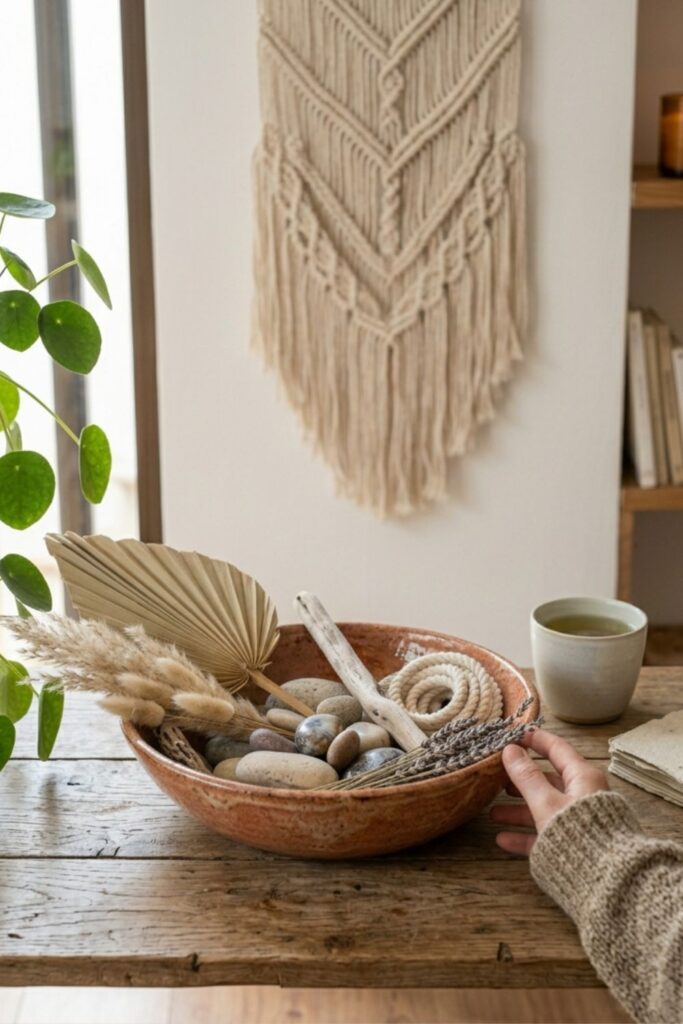
The visual side: color and shape
Sight is the sense we’re most used to decorating with, but I want to invite you to shift your focus: stop decorating for guests and start decorating to nourish your own eyes.
Color psychology according to what you need
Don’t choose colors by trend, choose them by what your nervous system is asking for. Sand tones, moss greens, and warm whites have a frequency that helps lower your heart rate, making them perfect for bedrooms and relaxation zones.
If you need energy in your work area, you can introduce touches of terracotta or more vibrant earth tones that stimulate creativity without overwhelming. The key is avoiding extreme contrasts that strain the eye and seeking harmonies that let your gaze rest as it moves through the room.
The flow of organic shapes
Our homes tend to be full of right angles that, however practical, can feel a little cold. To soften your home’s energy, try including curved forms. A round mirror, a rounded coffee table, or even a lamp with an organic silhouette helps your eye travel through the space more fluidly.
These shapes feel more familiar and safe to us, since they imitate the lines of nature, something our brain instinctively appreciates because it reduces the cognitive load of processing sharp corners.
Managing space and the flow of energy
The way we move through our home directly influences how we feel. If your daily routine turns into an obstacle course, your mind will never fully relax.
Removing the blockages in your path
Notice how you move through your home when you get up or come back from work. Do you have to dodge furniture? Are the hallways overloaded? A clear space lets energy circulate and lets your mind feel freer.
This isn’t about living in an empty space, it’s about consciously editing what you truly need. If a piece of furniture blocks the natural flow of movement, move it. Sometimes gaining a few inches of clear space matters more than having one extra decorative piece.
Order as a ritual of mental peace
Tidying shouldn’t be a burden, it’s a way of caring for your future self. When we leave surfaces clear, we’re letting our gaze rest on them. Try grouping the objects you love into small compositions or vignettes rather than scattering them around the house creating visual clutter.
Having a place for everything is the first step toward a home that takes care of you instead of constantly demanding tasks.
Why nature and living materials matter at home
Including natural elements isn’t only an aesthetic choice, it’s a biological need. We’re built to be connected with the outdoors, and bringing that essence inside our four walls is the fastest way to lower stress levels.
Biophilic design as a source of calm
Biophilic design means incorporating living elements that connect us with nature. That can be as simple as having a plant growing at its own pace in a corner, or using materials like wood, wicker, stone, or organic cotton.
These materials aren’t just sustainable, they age with dignity, bringing warmth and a unique quality that plastics can’t offer. To the touch, natural materials are far kinder and they don’t build up static, which makes for a much healthier environment.
Life in motion through plants
Plants don’t just decorate, they’re living things that purify the air we breathe and regulate humidity. Watching a plant push out a new leaf is a reminder that your home is a place of growth.
Don’t aim for a jungle if you don’t have the time. Choose one or two varieties suited to the light in your home and treat them as one more decorative detail. That small touch of green completely changes a room’s energy, turning it into a living space that breathes with you.
How to start without overwhelming yourself: my step by step method
I know that after reading all of this it may look like you have a lot of work ahead, but the goal of sensory decorating is precisely the opposite: making your home a place of less effort for you.
The conscious observation ritual
Pick one day to observe your home without judging it. Sit on your sofa, walk down the hallway, step into your bedroom as if you were a guest. Ask yourself out loud what draws you in and what gives you a small pang of resistance or fatigue. That answer is your road map. Don’t try to change anything yet, just become aware of what feels good and what doesn’t.
The three minimal changes method
Once you’re clear on what isn’t working, pick just three simple changes. Maybe it’s swapping a bulb for a warm one, clearing a surface that’s always covered in things, or putting a throw you love in the spot where you usually rest.
Make those three changes and let a few days pass. Notice how the way you inhabit that area shifts. Once those changes become part of your routine, you can move on to the next small step. Sensory decorating isn’t a destination, it’s a path you walk at your own pace.
Frequently asked questions about sensory decorating
Is it really expensive to start applying sensory decorating at home?
Not at all. Most of the changes come down to adjusting your lighting, relocating what you already own, adding textiles, or introducing simple natural elements. You don’t need a big investment or luxury furniture, because what we’re working with is the arrangement and the intention behind what already surrounds us.
How can I apply all this if I live in a rental?
A rental is the ideal setting for testing your creativity. You can use portable lamps to create the warm pools of light you need, lay large rugs over a floor you don’t like, or hang curtains that add texture without any construction. Plants are your best allies in a rental because they transform any room temporarily but very effectively.
What do I do if my family doesn’t understand the changes I want to make?
The best way to convince the people you live with is through results. You don’t have to explain the theory. If you create a reading nook with warmer light and a nicer throw, they’ll be drawn to that space on their own, because seeking comfort is instinctive. Once they see the atmosphere is cozier and they rest better, they’ll be the ones asking you to apply those changes to the rest of the house.
Is there an age limit for enjoying a home like this?
Quite the opposite, sensory design is the most inclusive approach there is. It’s perfect for children because it helps them regulate their emotions and find calm while playing, and it’s wonderful for older adults who need less aggressive, more functional spaces. Designing with the senses in mind is designing with human beings in mind.
How long will it take to notice a change in my mood?
The effects are almost immediate. Since we’re working with stimuli that go straight to the nervous system, the relief of walking into a room where the light is soft and the air smells clean and fresh is instant. It’s a physical response your body recognizes the moment you cross the threshold.
Let’s make this a shared journey, so tell me about your experience
Now that we’ve walked through the secrets of a conscious home together, I’d love to know what’s happening in your house today. Do you have a corner that’s your little refuge, or one you find especially hard to spend time in?
Sometimes identifying what creates noise for us is the key to unlocking our creativity. I’d love for you to tell me in the comments which small detail you tried today, or which one you have in mind for this week. Reading your stories fascinates me, because in the end we’re all looking for the same thing: a place where we can be ourselves, where our emotions are safe, and where we can recharge every day.
Your home is the stage where your life happens, and you deserve for it to be the most wonderful place in the world. I’m looking forward to your comments.