Find out how to transform your home into a haven of peace with Japandi style
I’d been feeling for a while that something about my home wasn’t quite right. I don’t know if this has ever happened to you, but you walk through the door after an exhausting day, look around, and instead of feeling relief, the space just adds more visual noise.
That’s when I discovered Japandi style. At first I thought it was just another passing social media trend, but once I started digging deeper and applying it in my own rooms, I realized it goes way beyond simple decorating. It’s a whole way of understanding your space, a reset for your mind.
If your home is begging for more serenity, space, and warmth, get comfortable. In this guide I’m going to walk you step by step through everything I’ve learned, tried, and put into practice about Japandi style, so you can make that transition too, at your own pace and without feeling overwhelmed.
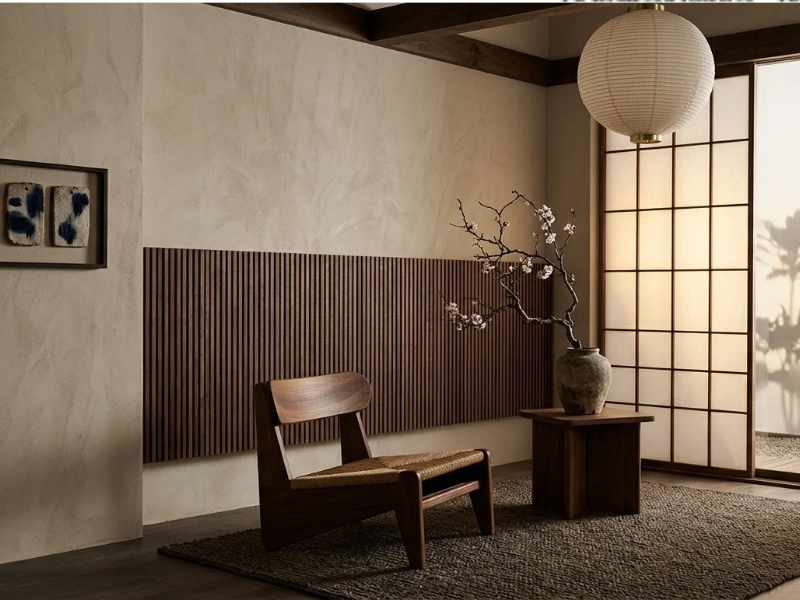
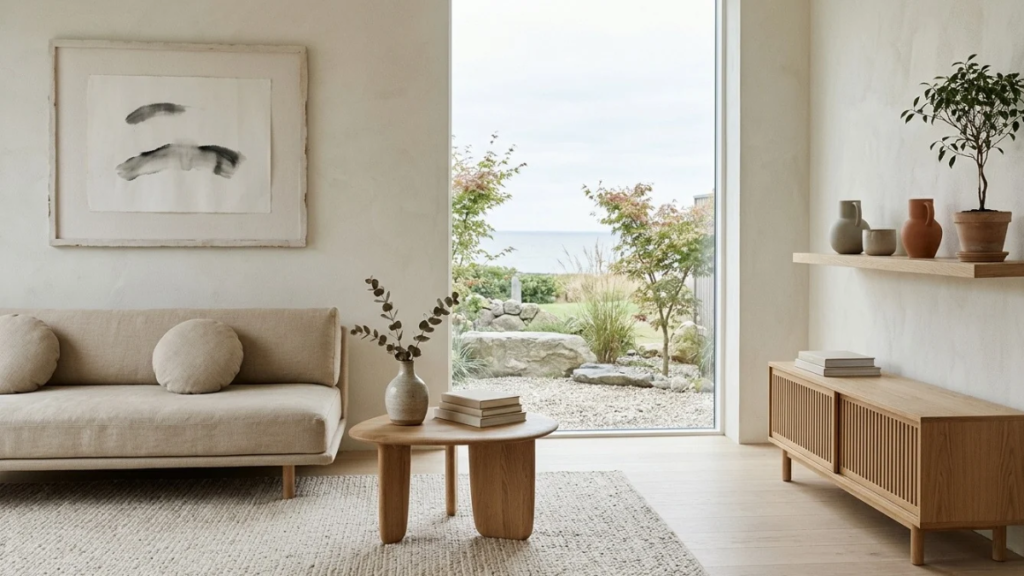
Illustrative image created for this post
What is Japandi style
You don’t need an art history degree to understand Japandi. Just pay attention to what you feel when you’re in a clean, well-lit room surrounded by natural materials. The word Japandi comes from the fusion of two design philosophies that are separated by thousands of miles on the map but share a surprisingly similar outlook on life. Scandinavian style (scandi) and the Japanese spirit (wabi-sabi).
For decades, Scandinavian design taught us the importance of comfort, natural light, and practicality as a way to get through the long, dark winters of Northern Europe. Japanese tradition, on the other hand, brings contemplation, craftsmanship, respect for nature’s imperfections, and the elimination of everything unnecessary.
Where Scandinavian hygge meets Japanese wabi-sabi
The secret behind Japandi’s appeal is how beautifully these two worlds complement each other.
- The Scandinavian side brings that warm, cozy feeling the Danish call hygge. It introduces soft textures, light-toned woods, comfortable cushions, and functionality designed for everyday living. It keeps the space from feeling too stark or cold.
- The Japanese side brings the philosophy of wabi-sabi, which is all about finding beauty in imperfection, the incomplete, and the fleeting. It introduces handmade ceramics with irregular shapes, dark or time-worn woods, clean lines, and a deep respect for empty space.
When you combine Nordic warmth with Japanese discipline and elegance, you get an aesthetic that feels serene and clean.
Why it resonates so deeply with how we live today
We live in a rush, surrounded by screens, notifications, and constant visual overload. When we get home, our brains need to process the exhaustion of the day. If the house is packed with clutter, loud colors, or disorder, your nervous system stays on high alert.
Japandi style acts like a natural filter. By simplifying shapes, prioritizing neutral tones, and letting the texture of materials take center stage, your home becomes an anchor. It helps you decompress the moment you walk through the door.
The core pillars of Japandi aesthetics
All you need to do is absorb the basic pillars and start applying them little by little in every corner of your home.
Warm minimalism vs. cold minimalism
There’s a very common fear when we talk about minimalism. People think their home is going to look like a hospital or a lifeless art gallery. Japandi completely avoids that coldness. It’s warm minimalism.
How do you achieve that? Mostly through textures. If you strip away unnecessary decorations but combine a solid wood table with natural linen, a jute rug, and a handmade clay vessel, the room fills up with tactile richness without overwhelming your eyes.
The color palette
The Japandi color palette is calm, unhurried, and directly inspired by the tones of earth, stone, and wood. You won’t find saturated colors or harsh contrasts here.
Here are the go-to base tones.
- Off-white, cream, and ivory work as a canvas on walls and ceilings to maximize natural light.
- Beige, sand, and taupe create a smooth transition toward your furniture pieces.
- Earthy tones, soft terracotta, and olive green show up in small textile accents or ceramic pieces to bring a connection with the outdoors.
- Touches of black or dark gray are used very sparingly on metal structures, frames, or furniture legs to add structure and visual weight to the space.
Pure materials and touchable textures
In Japandi, synthetic or plastic materials take a back seat. Everything your hands or eyes land on should feel real and authentic.
- Wood is the undisputed star. Light woods (oak, ash, pine) from Scandinavian design mix with touches of darker or treated woods (walnut, charred wood using the yakisugi technique) from Japanese tradition.
- Natural textiles like linen, organic cotton, wool, and jute. These are thick, visibly woven fabrics that make you want to reach out and touch them.
- Stone, clay, and ceramics. Pieces that aren’t overly polished, where you can see the cracks, the variations in tone, and the marks of the artisan’s hands.
- Plant fibers like bamboo, rattan, wicker, and rice paper in lamps and accent pieces.
A room-by-room guide to transforming your home
Let’s go through how to bring this style into each room, with practical ideas you can start putting into action today.
The living room
The living room is usually the space where we spend the most time and where we tend to accumulate the most stuff. To turn it into a Japandi space, focus on these key elements.
- Low-profile furniture. Japanese tradition uses floor-level furniture (tatami) to maintain a connection with the ground and make ceilings feel taller. Go for sofas with clean lines but plenty of cushioning, low natural wood coffee tables, and floating or simple TV consoles.
- Clear circulation space. Leave breathing room between your furniture. Don’t cram in oversized pieces just to fill gaps. Empty space is a design element too, and it lets light flow freely.
- Cozy textiles. Use a large natural-fiber area rug (like undyed wool or jute) that anchors the entire sofa zone. Layer in linen cushions in neutral tones without busy patterns.
- Ambient lighting. Don’t rely solely on a single overhead ceiling light. Spread warm light throughout the room with floor lamps that have rice paper or linen shades.
The bedroom. A sanctuary made for rest
If there’s one room in the house where Japandi style truly comes into its own, it’s the bedroom. For me, turning my room into a space for disconnecting completely changed the quality of my sleep.
- The bed as the focal point. Forget ornate or tufted headboards. In Japandi, the headboard is usually natural wood with clean vertical slats, or you can skip it entirely and go with a whitewashed wall in a soft sand tone. The bed frame should be low and have clean lines.
- Organic bedding. Dress your bed with washed linen sheets. Linen has that beautiful natural wrinkle that fits perfectly with the wabi-sabi philosophy, it doesn’t need ironing, and it adds incredible visual texture. Play with layers in neutral tones, like a white or natural duvet cover, a lightweight wool throw at the foot of the bed, and decorative pillows that mix textures.
- Zero tech distractions. As much as possible, remove screens, visible chargers, and clutter from your nightstand. A small warm-light lamp, a book, and a little ceramic tray for your rings or glasses before bed is more than enough.
The kitchen and dining room
A Japandi kitchen isn’t a cold space where everything hides behind high-gloss doors. It’s a functional space where the things you use every day have an assigned home, and beauty blends seamlessly with practicality.
- Clean, harmonious cabinet fronts. If you can choose or renovate, go with handleless cabinets or ones with very subtle integrated pulls, preferably in light wood or matte neutral tones like stone gray or muted sage green.
- Intentional open display. Instead of hiding everything behind closed cabinets, leave a small wooden shelf visible where you can arrange handmade ceramic mugs, clay bowls, and glass jars filled with dried beans or spices. The secret is moderation. It should look like a curated display, not a warehouse.
- The dining area. A solid wood table with visible knots and grain is the ideal centerpiece. Pair it with simple wooden chairs or ones with rush seats and a natural fiber or rice paper pendant light that illuminates the center of the table without creating glare.
The bathroom. Your very own home spa
The bathroom is the temple of daily self-care. To bring Japandi into this space, aim to turn your everyday grooming rituals into moments of mindful pause.
- Ditch the plastic bottles. Use amber glass or ceramic dispensers for hand soap and body wash. Visually, it eliminates all the noise from colorful commercial labels.
- Quality textiles. Organic cotton or waffle-weave towels in earthy tones or linen white. Hang them on wooden hooks or simple black metal ones instead of bulky towel racks.
- Natural details. Place a small moisture-resistant wooden tray where a natural bristle body brush or a bar of handmade soap can rest. A small humidity-loving plant like a pothos or a little fern in a clay pot will bring the whole look together.
Common mistakes when designing your Japandi space
When we dive into a decorating overhaul, it’s easy to fall into traps that take us further from the result we’re after.
- Overloading your home with too many “artisan” pieces. Even though ceramics and imperfect wood are central to the look, if you put too many decorative elements in every corner, the space stops breathing and starts feeling cluttered all over again. Less is almost always more.
- Choosing tones that are too cold. Sometimes we confuse Scandinavian minimalism with stark hospital white and metallic gray. If your home looks cold, the space loses the warm soul that defines Japandi. Always bring in warm-toned woods and toasty textiles to balance things out.
- Buying just for the sake of filling space. Japandi isn’t a shopping checklist you need to tick off. It’s a process of careful selection. It’s better to have a half-empty room while you find the perfect piece than to rush and fill it with filler furniture that doesn’t speak to you at all.
- Forgetting about lighting. Beautiful decor under harsh white fluorescent office lighting ruins any atmosphere. Always invest in warm-toned bulbs (between 2700K and 3000K) and play with different light heights throughout the room.
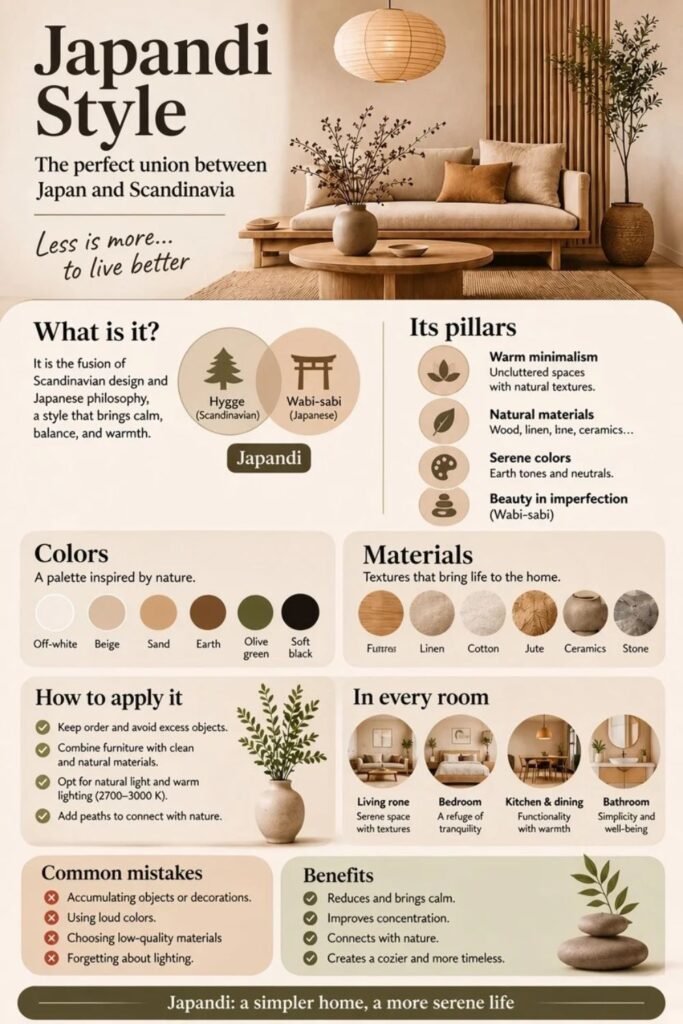
Japandi style infographic
Frequently asked questions about Japandi style
Is Japandi an expensive style to do at home?
Not at all. Since it’s based on owning fewer things and making the most of what you already have or investing in simple, long-lasting pieces, it actually ends up being more affordable in the long run than chasing passing trends. You can start by repurposing furniture you already own, stripping it down to reveal the natural wood, or simply swapping out your textiles and lighting.
Does it work in small spaces or homes with limited natural light?
It works incredibly well. By prioritizing light colors on the walls, keeping bulky furniture out of the way, and placing mirrors strategically, Japandi style helps small spaces breathe and feel much more open and bright.
How do I combine Japandi with real family life and kids?
This is one of my favorite questions. The truth is that Japandi isn’t a museum. It’s a home meant to be lived in. Well-treated natural wood holds up to daily wear and tear, linen and cotton textiles wash beautifully, and you can keep things tidy with natural fiber storage baskets where the kids can toss their toys at the end of the day. It’s quick, it looks great, and it actually works. The key is functionality.
I’d love to hear your thoughts on all of this. Are you someone who prefers super minimal, wide-open spaces, or do you have a hard time letting go of the things that hold memories on your shelves?
Tell me in the comments which corner of your home is begging the most for a dose of calm, or what questions come up when you try to mix textures and natural tones. I read every comment and I’m happy to help!