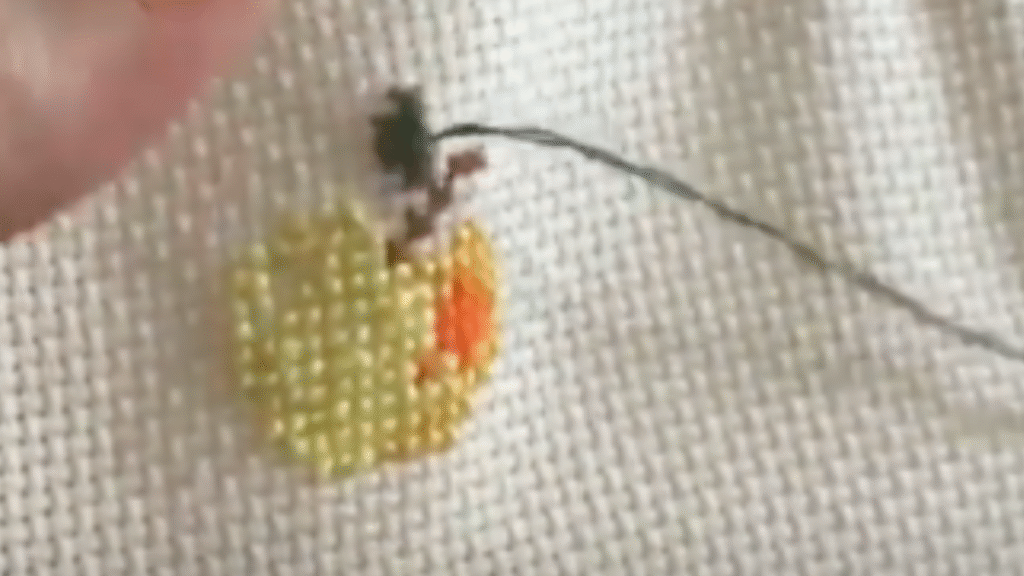
One of the most popular motifs for getting started or for practicing is the apple, thanks to its simple shape, vibrant colors, and many uses, from school-themed decorations to kitchen art and personalized gifts.
Cross-stitch is a hugely popular embroidery technique that lets you create images full of color and detail using small X-shaped stitches. Among the most classic and appealing motifs to stitch is the apple, a simple fruit that’s nonetheless full of symbolism and beauty. Stitching an apple is an ideal project for beginners, and also for anyone who wants to add a fresh, natural touch to their work.
Why choose an apple to stitch
The apple is a universally recognized shape, symbolizing health, wisdom, and knowledge, and often temptation or creativity, depending on the context. Its rounded form and bright colors (usually reds, greens, or yellows) let you play with gradients and shadows to give the piece volume and realism.
Apples are also a perfect motif for decorating all kinds of objects, from kitchen towels and aprons to pillows, bags, and framed pieces. Because they’re so simple, they adapt just as well to small minimalist designs as to more elaborate compositions with leaves, branches, or added texture.
What an apple cross-stitch design looks like
An apple design can range from a simple outline to a detailed image with shadows and highlights. The most basic patterns tend to feature a red circle with a few white stitches to suggest shine, plus a small brown stem with one or two green leaves.
More advanced patterns use several shades of red to build depth, along with gradients in the leaves for a natural effect. Some designs include drops of dew, which bring freshness and realism to the motif.
The stitching process
We won’t go into a detailed walkthrough here, but the general process starts with mounting the fabric in a hoop and locating the center of the pattern so the apple ends up centered on the fabric. From there you stitch the outline and the color areas, stitch by stitch, following the chart.
Keeping consistent tension on your thread matters, since that’s what makes the stitching look even instead of uneven. It’s also a good idea to work in good light and rest your eyes now and then to avoid fatigue.
Tips for a good result
- Pick a balanced palette: Using several shades of red and green will bring the apple to life.
- Stay consistent: Every stitch should lie in the same direction so the finished piece looks professional.
- Practice patience: The design may look simple, but the small details make all the difference.
- Secure your ends well: To keep the piece from coming undone over time, fasten off your threads carefully.
What to do with your stitched apple
Once it’s finished, you can frame your apple to decorate the kitchen or dining room, or apply it to clothing and accessories for a personalized, handmade touch. It also makes a perfect gift for someone who loves cooking, gardening, or simply handmade art.
Benefits of stitching an apple
This project offers the satisfaction of making something beautiful, and it also helps sharpen focus, hand-eye coordination, and patience. Stitching is a therapeutic activity that can ease stress and encourage creativity.
Cross-stitch is a classic, relaxing embroidery technique, perfect for bringing small decorative designs to life. One of the most popular motifs for getting started or for practicing is the apple, thanks to its simple shape, vibrant colors, and many uses, from school-themed decorations to kitchen art and personalized gifts.
Why stitch an apple?
An apple cross-stitch design is ideal because:
- It has a recognizable, symmetrical shape that’s easy to follow.
- It uses few colors, which makes it perfect for beginners.
- It’s endlessly versatile: use it on napkins, towels, frames, aprons, planners, and more.
- It symbolizes health, knowledge, and freshness, which makes it a lovely decorative choice.
Supplies
To stitch an apple in cross-stitch, you’ll need:
-Aida fabric, 14 count is ideal for beginners.
-Stranded cotton floss.
-A blunt tapestry needle.
-A hoop, optional but recommended.
-Small scissors.
-An apple cross-stitch chart.
Tip: Use quality floss like DMC or Anchor for a better finish that lasts.
step by step
Prepare your fabric
Cut a piece of Aida, leaving at least an inch of margin on each side. Use a hoop if you want to keep the fabric taut and avoid wrinkles.
Choose your pattern
You can download a free apple chart from sites like Pinterest, DMC, or dedicated cross-stitch pages.
Try searching for terms like “apple cross stitch pattern free” or “free apple cross stitch chart pdf”.
Thread your needle
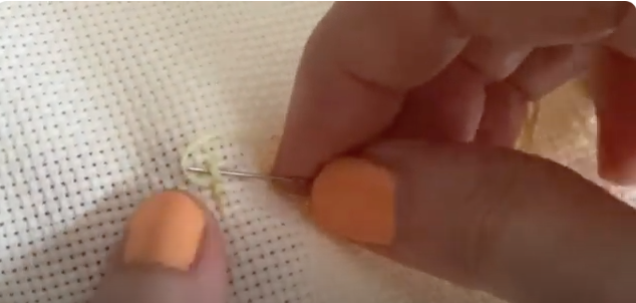
Use two strands of floss for 14 count fabric. Start with a loop start or another knotless method so the back stays neat.
Follow the chart carefully
Work the crosses one by one, following the colors on the chart. Remember to keep every stitch running in the same direction for an even finish.
Add the details
Once the apple itself is done, stitch the stem and the leaf. You can use backstitch for the outline and any fine details.
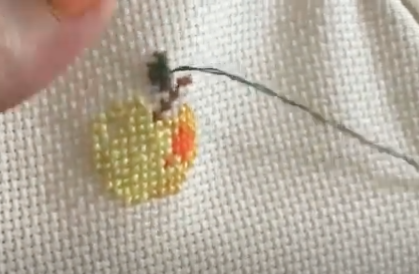
See all the details in the video:
Ideas for using your stitched apple
- A framed piece for the kitchen or dining room
- A stitched card for a teacher
- Personalized napkins
- A mini magnet or pin
- An appliqué for tote bags or aprons
Practical tips
- If you’re a beginner, start with a small chart of few stitches (20×20 or less).
- Use an organizer box for your floss so it doesn’t tangle.
- Mark off your printed chart with a pencil or highlighter as you go.
Where to find free apple patterns
A few sites where you can look for charts:
- Pinterest (search “apple cross stitch pattern”)
- DMC
- Cross-Stitch-Pattern.net
- FreePatterns.com
Conclusion
Stitching an apple in cross-stitch is an excellent way to get started with embroidery, or to sharpen your skills if you already have some experience. It’s a simple, pretty design full of creative possibilities. Go ahead and make your own version, then share it proudly!
If this article helped you and you’d like to say thanks, you can buy me a virtual coffee here.